
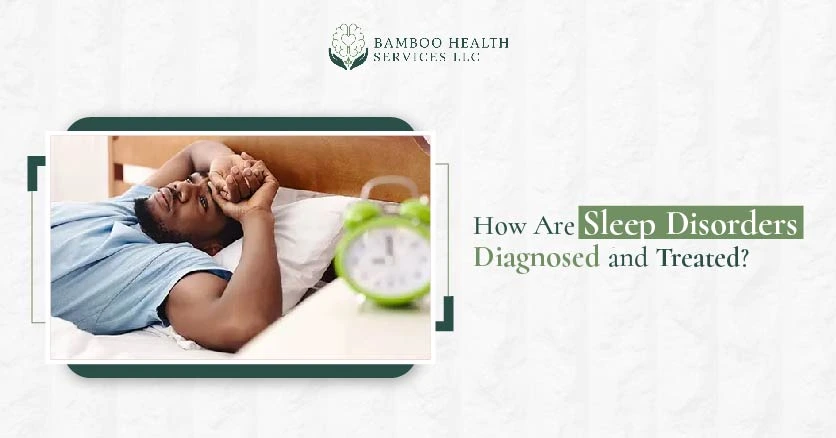
Getting a good night of sleep is very important for your body. It helps your body rest after a long day of playing and running. It also helps your brain stay smart and happy for school.
But sometimes, sleeping is hard. You might toss and turn all night. Or you might feel very, very sleepy during the day. When this happens a lot, it’s called a sleep disorder. A sleep disorder is a problem that makes it hard to get good rest.
Below, we will talk about how sleep disorders are diagnosed and treated.
What Are Sleep Disorders?
Sleep disorders are health problems that change how you sleep. They can make it hard to fall asleep. They can also make you wake up many times in the night. Even if you stay in bed all night, you might still feel sleepy the next day.
There are a few main types of sleep problems.
- Insomnia: This is when you try to sleep, but your eyes stay open
- Sleep Apnea: This is when your breathing stops and starts while you are asleep
- Restless Legs: This gives your legs a weird, wiggly feeling that makes you want to move them
- Narcolepsy: This makes a person fall asleep suddenly during the middle of the day
Sleep affects how you feel all day long. When you do not sleep well, you might feel sad or grouchy. You might find it hard to pay attention to your teacher.
Without adequate sleep, your entire body can feel unwell. But with the right care, you can sleep better and feel better.
How Are Sleep Disorders Diagnosed?
Diagnosing a sleep disorder means finding out what is causing the sleep problem. Doctors use different tests to do this.
The first step is usually a talk with your doctor. They will ask you about your sleep habits, including:
- How long it takes you to fall asleep
- Whether you snore or wake up during the night
- Your daily routine and stress levels
At Bamboo Health Services LLC, our providers do special evaluations. We look at your feelings to see if stress or worry is keeping you up at night.
After this discussion, the doctor may order some tests. These tests help them see what is happening in your body while you sleep.
Polysomnography (Sleep Study)
One common test is called polysomnography, also known as a sleep study. During this test, you stay overnight in a sleep center or hospital. You are connected to sensors that monitor your body while you sleep. These sensors record:
- Brain waves
- Heart rate
- Breathing
- Oxygen levels
- Eye and leg movements
This information helps the doctor identify any problems. The sleep study can help find many sleep disorders, such as:
- Sleep apnea
- Narcolepsy
- Movement disorders
- REM sleep behavior disorder
Home Sleep Apnea Test
Sometimes, you can do a sleep test at home. This is called a home sleep apnea test. It is simpler than a sleep study at a center. You wear a small device while you sleep in your own bed. The device records:
- Breathing
- Heart rate
- Oxygen levels
This test is mostly used to check for sleep apnea. It is easier and more comfortable for many people.
Other Tests for Sleep Disorders
Sometimes doctors use other tests. One test is done during the day. It is called the Multiple Sleep Latency Test (MSLT). It checks how fast you fall asleep in a quiet room. This test helps find narcolepsy.
Another tool is called an actigraph. It is a small device you wear on your wrist like a watch. You wear it for days or weeks. It tracks when you sleep and when you are awake. These tests give your doctor more information.
How Sleep Problems Are Fixed
Once the doctor knows what is wrong, they will make a plan to help you. Different sleep problems need different kinds of help.
Building Good Bedtime Habits
Many sleep problems get better when you change your daily routine. You can build easy habits before bed to help your body get ready for sleep.
- Go to bed at the same time every single night
- Make sure your room is dark, quiet and cool
- Turn off all TVs, phones and games one hour before bed
- Do not eat big meals or drink sweet sodas before sleep
- Play outside and get lots of sunshine during the day
Trying Therapy for Better Sleep
For long-term insomnia, doctors often suggest a special type of talking therapy. It is called Cognitive Behavioral Therapy for Insomnia (CBT-I).
This therapy helps you change scary or busy thoughts into peaceful thoughts. It gives you fun tricks to quiet your mind so you can fall asleep fast.
Safe Medication Management
Sometimes good habits and talking are not enough. In these situations, medicine can offer extra support.
At Bamboo Health Services LLC, a Psychiatric Mental Health Nurse Practitioner works carefully with patients through professional medication management. We make sure any medicine given is safe and easy to take. We check on you often to make sure you are sleeping well and feeling healthy.
CPAP Therapy
If you have sleep apnea, a doctor often uses CPAP therapy. CPAP stands for continuous positive airway pressure. This machine helps you breathe at night.
You wear a mask over your nose or face. The machine sends air into your airway. This keeps your airway open. You can breathe normally all night long.
CPAP helps many people. It helps you sleep better. It helps you feel more awake in the day.
Other Devices
Sometimes doctors suggest other devices. A mouth guard can help keep your airway open. Some people use a BiPAP machine. This is similar to CPAP but with different air pressure settings.
Working with a Caring Team
Managing a sleep disorder is a step-by-step process. You do not have to figure it out by yourself. Working with an expert team makes the path much easier.
Bamboo Health Services LLC cares for your whole self, including your mind and your body.
Our provider listens to your story. We work with your primary care doctor so everyone knows how to help you. When your whole team works together, you get the best care possible.
Starting Your Way to Better Sleep
Sleep is very important. Your body needs sleep to grow and stay healthy. Your brain needs sleep to think clearly. When you do not sleep well, everything feels harder.
But sleep disorders can be found. They can be treated. Doctors have tests to find the cause. They have treatments to fix the problem. You can sleep better. You can feel better.
Remember, many people have sleep problems. You are not strange or alone.
There are many ways to get help. You can use a CPAP machine. You can try talk therapy. You can build good sleep habits. You can also get help from Bamboo Health Services LLC. We care about your mental health and your sleep.
By reaching out for a comprehensive evaluation, you can discover what is keeping you awake and start a personalized care plan.
FAQs
Do I need a sleep study for insomnia?
Not everyone with insomnia needs a sleep study. A healthcare professional can decide whether additional testing is needed based on your symptoms.
Is a sleep study painful?
No, a sleep study is not painful. You sleep while sensors watch your body. The sensors may feel a little sticky, but they do not hurt.



No comment