
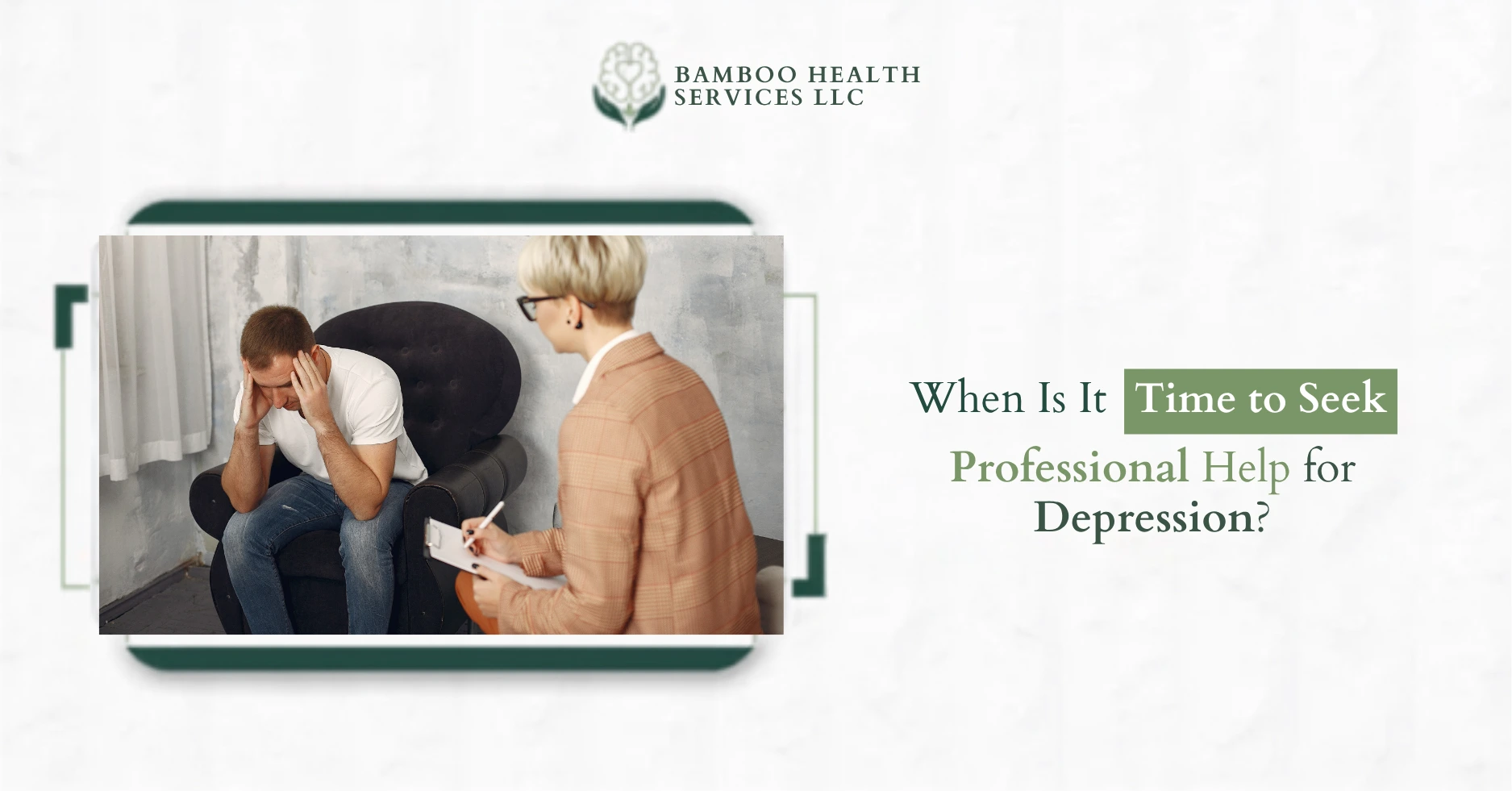
Feeling depressed sometimes is part of being human. Life involves sadness, loss, worry, and periods of low energy. Most people recover in a few days or with the help of friends, rest, or a change of location. But depression is another thing. It’s a medical condition that can settle in and stay, quietly undermining motivation, sleep, relationships, and the ability to appreciate ordinary moments.
Understanding the difference between low mood that is normal and clinical depression, and when to get help, can help make the road to recovery a little easier and faster.
Understanding the Difference Between Everyday Low Mood and Depression
Daily sadness or stress generally has a particular cause and usually improves with the situation or with time. You may feel down after a setback, yet still feel relief, laughter, or interest in things you’ve always enjoyed. Energy and concentration may decrease, but the day-to-day duties are under control.
Depression is more likely to be persistent and pervasive. The low mood or feeling of emptiness occurs most of the day, virtually every day, for weeks. Things that formerly felt good are no longer enjoyable. Even basic things can seem heavy when you are tired. It gets harder to focus, decisions can feel overwhelming, and sleep or appetite can change substantially. Often there are feelings of worthlessness, overwhelming guilt, or pessimism. Some people also have bodily symptoms, like unexplained discomfort, delayed motions, or restlessness.
These experiences are neither a failure nor a lack of willpower. Depression is a brain chemistry, stress response systems, and thinking problem that is best addressed with structured help.
Clear Signs It May Be Time to Seek Professional Help
Several signs indicate self-care alone is unlikely to be enough and that a professional review might be useful.
- A key clue is when symptoms linger for weeks without any substantial relief. Persistent poor mood, loss of interest, exhaustion, or concentration issues despite rest, exercise, social connection, or other healthy behaviors are good reasons to discuss with a provider.
- Another important sign is disruption to everyday functioning. When depression interferes with job or school performance, relationships, basic self-care, or following through on duties, professional support can help restore stability.
- Depression typically brings physical changes that can reinforce the need for treatment. Significant changes in sleep (too little or too much), hunger or weight, energy levels, or unexplained physical discomfort should be a red flag, particularly when they occur with emotional issues.
- Hopelessness, worthlessness, or the feeling that you are a burden to someone else are important. Those beliefs may result in further isolation and make it harder to reach out for help on your own. When they show up, it’s a safety measure to have a professional involved.
Thoughts of death, self-harm, or suicide need quick attention. If you or someone you love is having these thoughts, please call or text the 988 Suicide & Crisis Lifeline at 988, go to the nearest emergency room, or call 911. You don’t have to go through this alone; aid is available 24/7.
Additional reasons to seek care include symptoms that are getting worse over time, a history of depression that is coming back, or the presence of additional illnesses including anxiety, trauma-related symptoms, or substance use that complicate the picture. If family or friends are concerned about changes they see in your mood or behavior, it’s usually wise to take such input to heart.
Why Waiting Can Make Recovery Harder
Depression has a way of telling people that things will get better on their own or that they don’t need to reach out for help. Untreated depression can get worse, increase the risk of physical health problems, damage relationships, and make later treatment less effective. Getting help early often leads to better outcomes and shorter durations of severe distress.
Professional advice can also rule out other medical diseases that can mimic sadness, including thyroid problems or side effects from medications. A full examination will offer a clearer path forward.
What Professional Help Can Look Like
Getting help doesn’t mean you’ll be on meds for life or that you’ll have to go through intense treatment. The approach often starts with a thorough assessment. Your provider will ask you about your symptoms, how long you’ve had them, how they affect your daily life, your medical history, medications you are taking, and any life events or family history that may be relevant. This conversation helps set up the best next steps.
Treatmentsare individualized. Many people find a variety of approaches helpful. Talk therapy can help you recognize harmful thought patterns, strengthen coping skills, and process underlying stressors.
When appropriate, addressing the biological features of depression with medication management can improve mood, energy, sleep, and focus, and can make treatment and daily functioning more accessible. We know that several antidepressants that work on serotonin and associated pathways work well for depression. It’s a joint approach to find the proper drug and dose, and that involves monitoring for benefits and any negative effects.
Lifestyle support and patient education are another crucial aspect. Knowing how sleep, movement, diet, and social connection play a role in depression gives people an active part in their recovery. Follow-up visits are routine and allow for adjustments as needs evolve.
Our Psychiatric Mental Health Nurse Practitioner at Bamboo Health Services offers comprehensive psychiatric examinations, diagnosis and treatment of depression, careful medication administration, follow-up care, and clear patient education. We also work with therapists and primary care physicians when helpful so that care seems connected, not fragmented. Our approach to care is compassionate, collaborative, and evidence-based, tailored to the individual’s needs and aspirations.
Practical Steps You Can Take Right Now
Here are a few things you can do to be supportive while booking an appointment:
- Talk to one trusted person and express, even quickly, how you have been feeling. Connection diminishes isolation.
- Keep a simple record of sleep, mood, energy, and any noticeable changes. This information is useful in an evaluation.
- Stick to basic routines around food, fluids, and light movement when possible. Small, persistent acts help the neurological system.
- Limit alcohol and other substances, which can make mood worse and disrupt sleep.
- Be gentle and nice to yourself. Depression is an illness, not a character defect.
If you don’t have the motivation to do these things on your own, ask a friend or family member to assist you in making the initial appointment or to go with you.
Taking the First Step Toward Feeling Better
Knowing that it might be time to get professional help is an act of self-respect and strength. Depression responds quite well to treatment, and most people recover a lot once they’re getting the right help. You don’t have to wait until the symptoms are terrible, or you have tried every self-help approach there is.
If these patterns seem like you, think about reaching out. The staff at Bamboo Health Servicesare here to listen without judgement, carefully assess, and work with you to come up with a plan that provides true and permanent relief. You don’t have to do it alone, and recovery is possible.
Support is here when you are ready. Start the conversation and take a major step toward feeling more like yourself again.
FAQs
How long should symptoms last before I seek help?
If you have poor mood, loss of interest, exhaustion, or other symptoms most of the day nearly every day for weeks, and they interfere with your daily life, it is appropriate to discuss this with a specialist. The sooner, the better.
What if I am not sure my symptoms are “bad enough”?
You don’t have to reach a severity level for support to be deserved. An assessment does not need to be justified by a severe degree of distress or impairment.
Will I automatically be prescribed medication?
Not really. Treatment is personalized. Therapy and lifestyle support work for some people. For others, medication is a vital part of healing. Decisions are made collaboratively.




No comment