
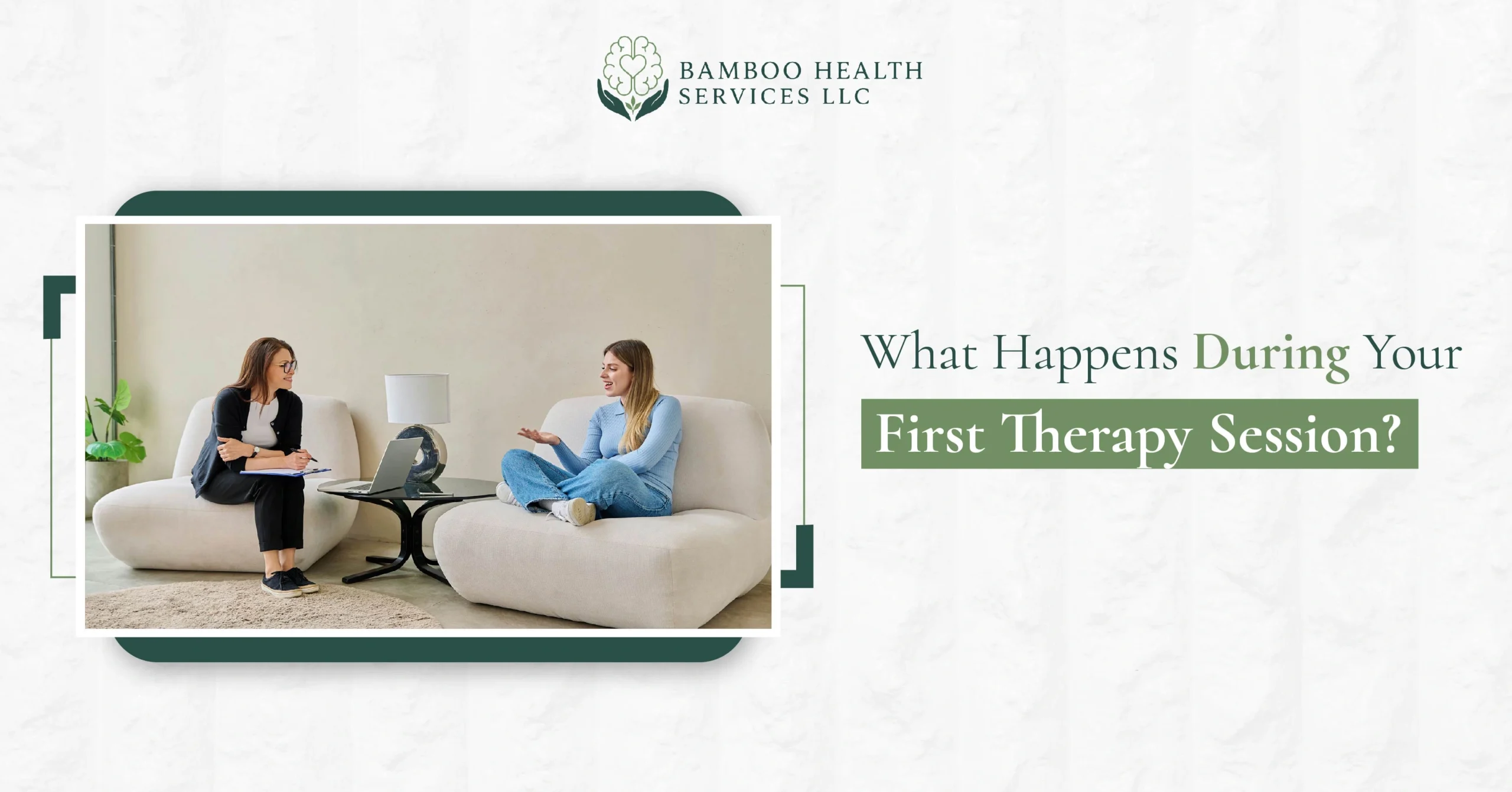
Deciding to start therapy can be a mix of anticipation and a sense of uncertainty. You may question what the initial appointment will really look like, whether you’ll know what to say, or if it will be helpful right away. We know that you are asking these natural questions, and we want to be honest, supportive, and here with you. We want this process to be accessible so that you can concentrate on what is really important: your well-being.
The Purpose Behind That First Meeting
Your introductory session serves as a friendly introduction rather than a high-pressure evaluation. It’s a moment of discovery, where you learn about the therapist’s style and the therapist learns about you. This talk can help both of you determine whether it’s a good fit to collaborate.
Unlike following sessions that may go further into certain techniques or patterns, the first one frequently feels more like a serious discourse. Expect it to run roughly 45 to 60 minutes. By the closing, you’ll likely feel heard and equipped with a basic notion of how the trip ahead might unfold. Many people describe departing with a mix of relief and newfound hope, even if not every question has been answered yet.
Getting Ready Before You Arrive
There’s no need to script every word and overthink to be prepared. Here are a few simple steps that can help you become more comfortable:
Before you start, take a few quiet moments to think about what has been bothering you recently.
“What are the situations that keep repeating? How are they showing up in your sleep, relationships, energy levels, or daily routines?” Rough notes could be a subtle reminder when your nervousness gets the better of you during the talk.
Gather any practical data that might come up, such as information regarding medicines, current health concerns, or previous encounters with support. For in-person visits, strive to come with a bit of buffer time. For online sessions, check your technology and pick a comfortable, private space where you won’t be interrupted.
Above all, remind yourself that there’s no perfect way to “do” this first session. Showing up truthfully is what counts.
Walking In (or Logging On): The Opening Moments
Your therapist usually welcomes you warmly and helps get you settled in. They might disclose a little bit about themselves professionally, their training, or what drove them to this work without breaking personal boundaries. This helps to humanize the process and to begin to establish comfort.
At the start, you will probably discuss important details together:
- How confidentiality works and the unusual instances when information may need to be passed on for safety.
- Length of a session, options for scheduling, and any policies concerning fees or changes.
- Any forms that provide background information on your care.
These interactions help set clear expectations and demonstrate that therapy is a shared, open collaboration. You can stop me anywhere and ask questions about anything you want. Ask away. This is a place for curiosity.
Exploring Your Story Together
This is where the session’s heart lies. Your therapist will ask you what brought you in the door. They listen intently, ask questions to get the complete picture, and do not hurry.
You could talk about ongoing obstacles such as overwhelming stress, ongoing sadness, relationship difficulties, or life changes that have left you feeling stuck. The conversation might naturally include more general life context, such as crucial relationships, work or school experiences, or past incidents that continue to resonate now.
And importantly, you control the depth and rate. If something is too tender to explore yet, say so. A caring therapist honors that barrier and focuses instead on what you’re ready to reveal. They may reflect what they’ve heard to make sure they’re interpreting you accurately, which makes you feel fully seen.
This isn’t about judgment or quick cures. It’s about starting to map the landscape of your experiences so that support can be tailored thoughtfully.
Clarifying Goals and Looking Ahead
Sometimes, towards the end of the session, the subject will meander to what you hope to get out of therapy. The objectives could be to learn new ways of coping with difficult emotions, to enhance communication in relationships, to rebuild confidence, or to have a regular space to process life. Flexible and likely to change as you go.
Your therapist may describe how she works and offer some starting recommendations for how to proceed. They’ll also talk about practical next actions, including when to meet again or any small, achievable practices you could undertake in the meantime.
After the Session: Processing and Reflecting
It’s entirely normal to have feelings later. Some sense a weight off their chest for having uttered things out loud. Others sense enhanced sensitivity or fatigue as they analyze the talk. Give yourself grace in the hours and days that follow. Gentle reflection, perhaps through writing or a little walk, can help cement discoveries.
Notice how the interaction felt overall. Did the therapist’s presence create a sense of safety? Could you envision continuing this dialogue? The quality of the relationship frequently counts as much as the specific techniques deployed.
Practical Advice to Help You Thrive from the Start
- Speak openly about what matters most to you. Honesty strengthens the work.
- Bring questions about the process, their experience with similar concerns, or anything else on your mind.
- Treat yourself kindly throughout. This is growth work, not a performance.
- Remember that getting the correct fit sometimes takes a session or two. It’s okay to examine choices if needed.
At Bamboo Mental Health Center, we prioritize creating a setting where you feel appreciated and empowered every step of the process.
Embracing the Journey Ahead
Your first session of therapy is your brave first step in investing in yourself. It sets the stage for better awareness, healthier patterns, and more resilience. This may seem odd at first, but with time, this process becomes a source of clarity and strength for many people.
If you are thinking of going to therapy, know that help is there, and it is non-judgmental. The team at Bamboo Mental Health Center is available to answer your questions and help you take that meaningful first step. Give us a call today. We would love to walk with you.
We hope this guide answers your questions and eases any worries. Taking care of your mental health is one of the most worthwhile things you can do. Contact Bamboo Mental Health Center whenever you’re ready.
FAQs
How should I prepare if I’m nervous?
Light reflection on your motivation, why you started, and the actual details of practice suffice. Therapists have been trained to be there for those who are uncomfortable with it.
Will the therapist tell me what to do?
They won’t tell you what to do, but work with you. It is about enabling your own insights and choices.
How soon will I notice changes?
Progress varies by person. Some perceive adjustments after a few sessions, while others experience more gradual improvement. Be consistent.






No comment