
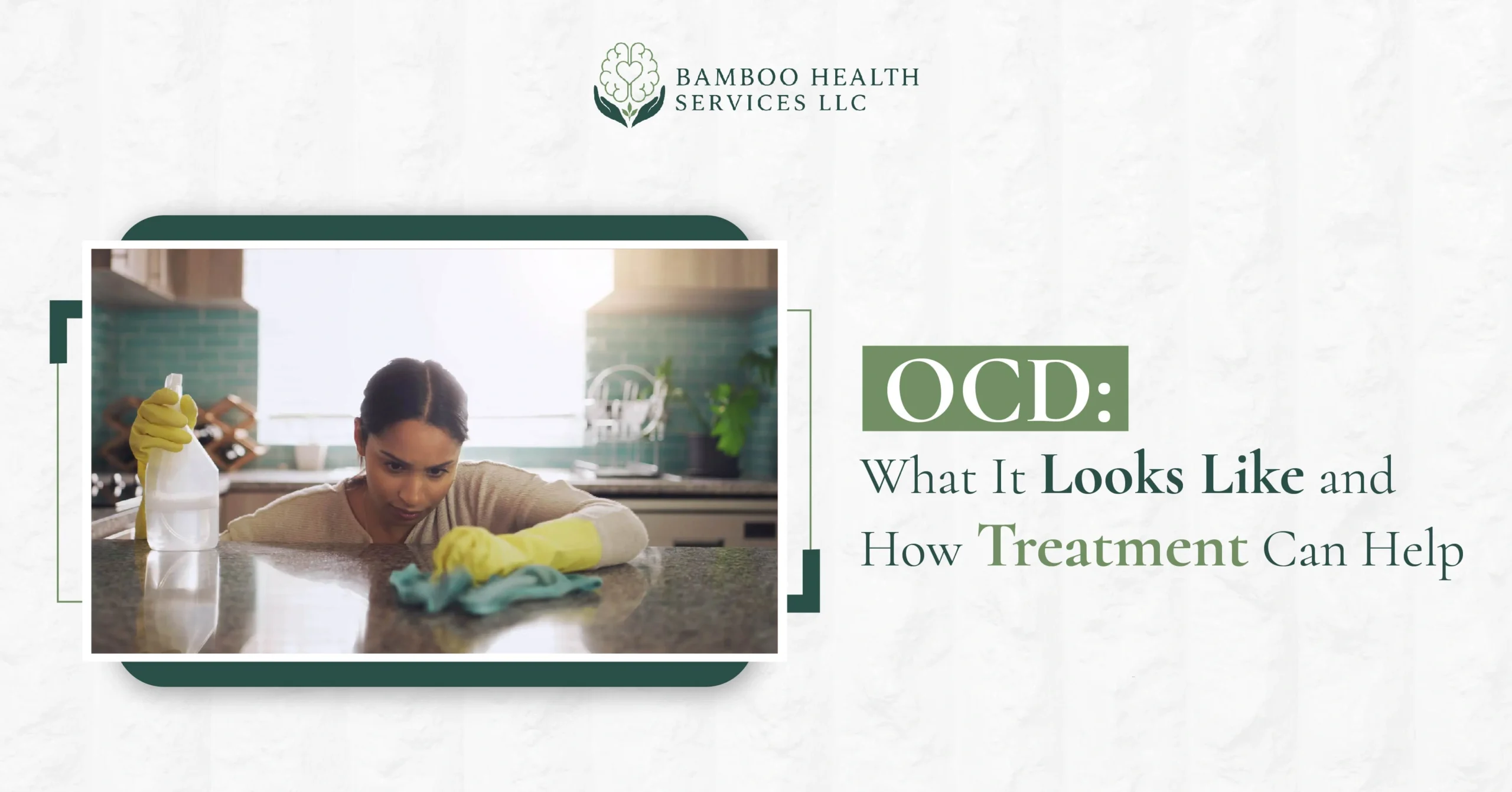
Obsessive-compulsive disorder OCD is a condition frequently misconceived. Many people casually say “I’m so OCD” when they like things tidy or double-check a door. But in reality, OCD is a severe mental illness that could occupy hours of someone’s day, deplete emotional resources, and disrupt work, relationships, and everyday life.
The bright side is that OCD can be treated. Many achieve a sense of control and an improved quality of life through accurate understanding, comprehensive evaluation, and customized treatment plans, usually followed by tailored medication management and other forms of support.
What OCD Really Looks Like
OCD involves two main parts that often work together: obsessions and compulsions.
Obsessions are recurrent and persistent involuntary thoughts, images, or impulses that cause anxiety and frustration. These feelings are malleable and not easily forgotten. One might grasp that what one is thinking is wrong, but the anxiety that it brings is felt. They can involve fear of contamination or germs, concerns about the possibility of harm to oneself or another, unexpected aggressive or sexual feelings that conflict with someone’s values, religious or moral doubts, or a strong desire for things to be ‘just right’ or perfectly ordered.
Compulsions are the repetitive behaviors or mental acts that someone must engage in due to those obsessions. The objective is generally to get relief from the anxiety for the time being. This can manifest as excessive cleanliness, hand or appliance cleaning, repetitive checking, precise arrangement of things, asking for reassurance, repeating phrases, or praying silently. Some people experience mostly mental compulsions that are invisible to others, such as mentally reviewing events or neutralizing a thought with another thought.
Whereas other habits and preferences can lead to stress in a normal way, OCD causes stress at a deeper level. Thoughts and behaviors are a lot more challenging or impossible to change, take up a lot of time, and disrupt life the way the person wants it. The benefits of compulsion often do not last long, and the process tends to recur shortly afterward.
The signs and symptoms of OCD may vary from one individual to another. Some people have very noticeable rituals. Others encounter problems mainly with invisible mental loops that leave them drained. Symptoms may change over time or may get worse when under stress.
How OCD Affects Daily Life
In addition to the thoughts and behaviors, OCD typically also brings other secondary issues.
- A person might also avoid some areas, activities, or people to avoid triggering an obsession.
- Relationships can become strained when a partner or family member is asked for frequent reassurance or when routines disrupt shared time.
- Work or school concentration may be affected.
- Sleep might be disturbed.
- Others also feel a sense of shame or embarrassment due to the symptoms, and might try to conceal it for a long period of time.
It is important to remind people that OCD is not a defining aspect of the person, their strength, or their values. The thoughts are unwanted precisely because they don’t align with the person’s core or values.
Clearing Up Common Misconceptions
Several misconceptions about OCD remain that may prevent people from seeking assistance.
- A common misconception is that it is about cleanliness, neatness, or tidiness. While contamination fears and ordering are real for some, OCD themes are far broader and can include intrusive thoughts about harm, responsibility, relationships, or morality.
- Another misconception is that people who suffer from OCD enjoy their rituals, or just can “stop thinking about it”. The reality is that most people find the cycle very disturbing and would rather exit than remain involved. OCD is also not a personality quirk or a sign of being “high-functioning.” It is a well-known and treatable mental illness.
To mitigate stigma and prompt earlier support, it’s important to recognize these distinctions.
How OCD Is Diagnosed
Careful evaluation is the key to effective care. During a detailed psychiatric evaluation, a provider will spend time learning about your current symptoms, when they first appeared, how they have affected your life and functioning, personal and family psychiatric history, and any other psychiatric or medical issues.
OCD can be differentiated from related disorders (e.g., generalized anxiety, specific phobias, other OCD related disorders) by validated questions and clinical judgment. This comprehensive procedure allows for a customized treatment plan instead of a generic one.
At Bamboo Health Services, our Psychiatric Mental Health Nurse Practitioner focuses on listening carefully and creating a clear, individualized understanding of each person’s experience before recommending next steps.
How Treatment Can Help
Typically, OCD treatment will include a mix of treatments. The two best-tested first-line treatments are a form of psychotherapy called Exposure and Response Prevention (ERP, a subset of cognitive behavioral therapy) and some medications, primarily selective serotonin reuptake inhibitors (SSRIs). These are most effective when used in combination by many people.
Therapy is a means of slowly confronting the situations or thoughts that cause anxiety while also learning how not to do the behaviors that cause compulsions. As time goes on, the anxiety response diminishes, and the cycle becomes weaker.
Medication management is an important factor for many people. A few serotonin-related antidepressant medications have good evidence of decreasing the intensity and frequency of obsessions and urges to carry out compulsions. It takes time to find the right medicine and dose. Alternatively, it can be several weeks before the effects are seen, and modifications might be required during the process. Follow-up visits enable the provider to track progress, identify problems with side effects, and adjust the plan accordingly.
If the first plan seems to be unfinished or isn’t providing sufficient relief, then other strategies or possible different ways of taking medication may be used. The entire process is to get rid of all the thoughts and rituals, not to forget them, but to diminish the authority of those thoughts and rituals over the individual’s life so that they may function more freely and focus on what matters to them.
Patient education is also a key part of care. Understanding how OCD works, why certain treatments are recommended, and what to expect helps people stay engaged and feel more in control of the process.
Practical Tips While Seeking or Beginning Care
While professional support is central, a few everyday steps can help:
- Track symptoms briefly in a notebook or notes app: what triggers them, how long they last, and how they affect your day. This information is valuable during an evaluation.
- Limit excessive reassurance-seeking from family or friends, when possible, as it can sometimes reinforce the cycle.
- Go easy on yourself. The thoughts do not define you.
- Maintain basic routines around sleep, movement, and nutrition when you can; these support overall mental health.
- Reach out to trusted supports or consider connecting with reputable organizations that offer education about OCD.
If symptoms are severe or you are in significant distress, seeking care promptly is important.
Taking the Next Step Toward Relief
Living with OCD might be daunting, but you don’t have to face it alone. But for many people, accurate diagnosis, careful management of medications, if any are needed, cooperation with therapists, and ongoing support can be quite helpful.
Here at Bamboo Health Services, we provide comprehensive psychiatric evaluations, tailored medication management, diagnosis and treatment for conditions like OCD, regular follow-ups, and patient education. We coordinate your care with therapists and other providers so it’s not fragmented. Our approach is grounded in compassion, evidence-based practice, and respect for each person’s unique story and goals.
If the patterns described here sound familiar, consider reaching out. A thorough evaluation is often the first step toward feeling more like yourself again.
FAQs
Is OCD the same as being a perfectionist or liking things clean?
No. Preferences or high standards are different from the unwanted, distressing thoughts and rituals that define OCD and interfere with life.
Can medication alone treat OCD?
Medication can significantly reduce symptoms for many people. Combining it with specialized therapy often produces stronger and more lasting results.
How long does it take for treatment to help?
Response times vary. Medication benefits often build over weeks, and therapy progress is usually gradual. Consistent care and follow-up are important.
Will I have to take medication forever?
Treatment length is individual. Some people use medication for a period of time while building other skills; others benefit from longer-term management. Decisions are made collaboratively based on your progress and needs.




No comment