
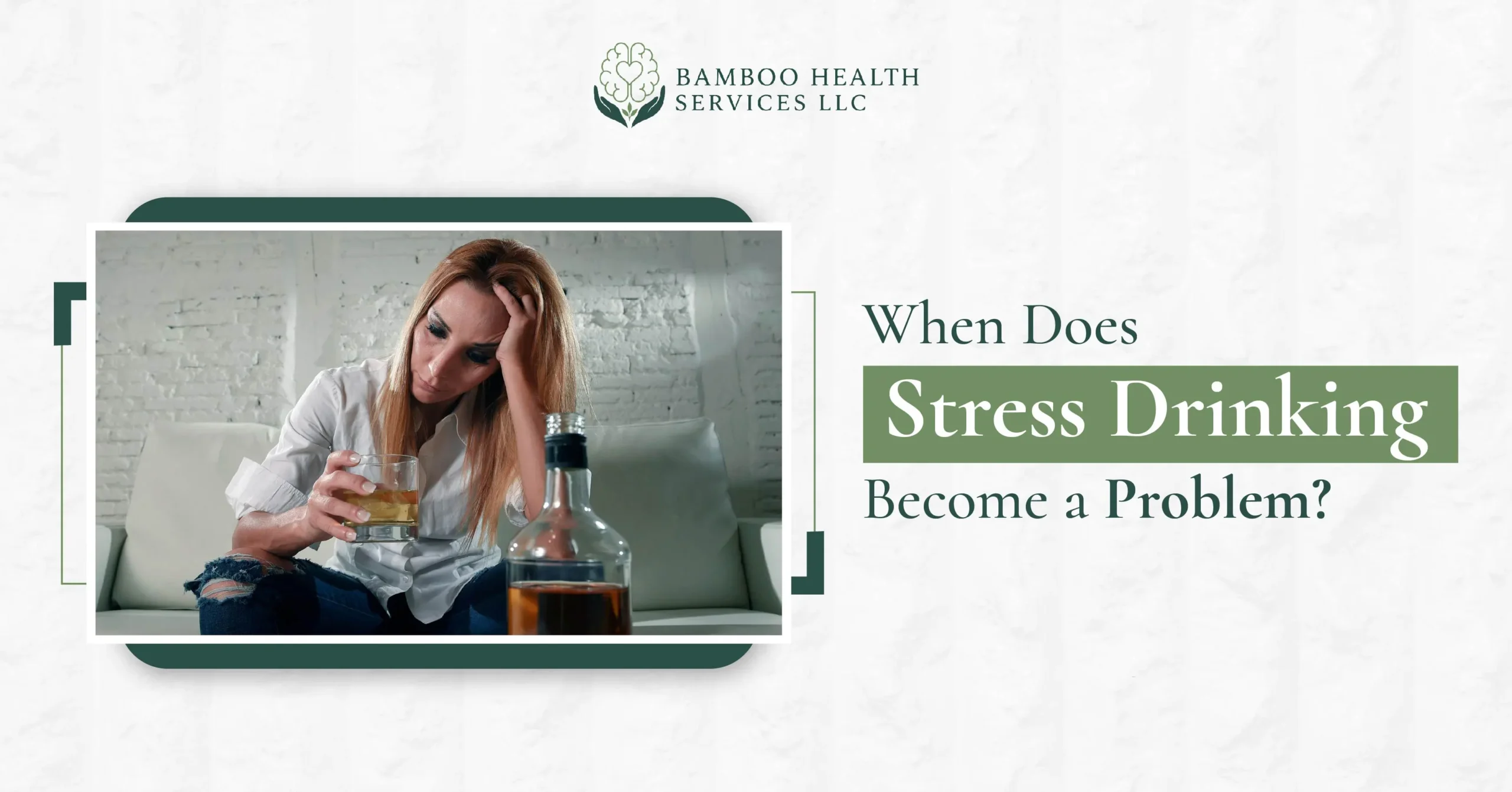
A glass of wine or a few beers may seem an easy way to unwind after a busy day. When life at work becomes hectic, or relationships get strained, or the responsibilities of everyday life begin to weigh heavily, many turn to drink. This is a common tendency and is commonly referred to as stress drinking. Some still get it sometimes, and they work it. For some, it simply becomes something that creates more difficulties than it solves.
It’s crucial to recognize the small stress relief from an issue as it forms, as it pertains to maintaining your mental and physical wellness.
What Stress Drinking Looks Like
Stress drinking is when someone drinks alcohol mostly to cope with negative emotions or events, rather than to have fun socially. It can appear like you’re having a drink the minute you come in the door, using alcohol to help you fall asleep after a stressful day, or feeling like you “need” a drink to take the edge off before you can rest.
Alcohol causes a short-lived feeling of relaxation because it interacts with chemical systems in the brain that are associated with stress and reward. The thing is, it’s only a band-aid. As the effects wear off, the worry and anxiety often return, sometimes even more powerful than before. Over time, the brain can begin to expect alcohol as the primary mechanism for regulation, making other ways to cope feel less effective.
This tendency is different from social drinking, where alcohol is secondary to connection, celebration, or shared experiences. The main reason for drinking to cope with stress is to obtain emotional relaxation.
When Stress Drinking Crosses the Line
The transformation from healthy habit to possible problem is rarely dramatic. It’s gradual. There are signs the pattern may be getting unhealthy:
- Maybe you’ve noticed that when stress comes calling, alcohol is your first response. What formerly seemed discretionary is starting to seem required. You may drink more than you meant to or find it more difficult to quit after you’ve started. Even if you really want to change, it can be very hard to reduce or take a break.
- You can also build up a tolerance, where you need greater doses to achieve the same soothing effect. Some people begin arranging their day around drinking opportunities or feel restless, angry, or worried when alcohol is not available. Drinking may begin to interfere with your sleep quality, energy levels, relationships, or duties at work or home. You may continue to drink even if you see it makes anxiety, bad mood, or your physical health worse.
- There may be secrecy or minimization too. Hiding how much you drink, getting defensive when someone mentions it, or feeling guilt the next day are common symptoms that the relationship with alcohol has evolved.
These experiences are not necessarily indicative of someone having a full alcohol use disorder. They do imply that the trend is worth examining honestly, because early changes are frequently easier to address.
Why Relying on Alcohol for Stress Can Backfire
Although it may seem like an effective solution at the time, turning to alcohol to cope with stress can lead to a cycle that increases susceptibility over time.
- Alcohol alters the brain’s normal response to stress. With regular use, it might increase baseline anxiety and make it more difficult for the body to recover to a calm state without the medication.
- Sleep is often interrupted. Alcohol might help you to fall asleep quicker, but it disrupts sleep later in the night, leaving people less rested and more reactive to stress the next day. It can also alter mood. Many people experience greater irritation, decreased motivation, or heightened concern after periods of heavier drinking.
- It also impacts physical health. Continued heavy or regular use puts stress on the liver, heart, immunological system, and other organs. Stress and alcohol regularly tend to increase the total impact on health.
Importantly, reliance on alcohol can crowd out the development of healthy coping abilities. The underlying stressors, whether linked to job, relationships, trauma, or mental health conditions, remain untreated, and the momentary getaway can make those concerns feel even more overwhelming.
How Mental Health and Stress Drinking Often Connect
Stress drinking is often associated with some sort of illness likeanxiety, depression, post-traumatic stress, or ADHD. People may use alcohol as a technique to control really strong symptoms when they have not yet found another method that works well. Alcohol can then exacerbate those sensations, in turn producing a positive feedback cycle.
So that is one reason why a complete strategy is important. Too often people will take too long to get the drinking under control, without addressing the underlying mental health issues or treating the mental health symptoms without addressing the problematic alcohol usage.
Practical Ways to Reassess Your Relationship with Alcohol
So if you’re wondering if your stress drinking is becoming a problem, begin with some honest self-reflection. Think questions like:
- Is my primary way of coping with stress, anxiety, or feeling overwhelmed to turn to alcohol?
- Have I attempted to cut back and found it more difficult than I thought?
- Is my drinking beginning to interfere with my sleep, emotions, relationships, or responsibilities?
- If I can’t drink, am I restless or irritable?
A short private record can be useful, too. Keep a note of times you take a drink, how much, what prompted you to decide to drink, and how you felt afterwards. Writing things down often helps to see patterns.
It can be enlightening to experiment with non-alcoholic ways of dealing with stress. Some techniques that provide the brain with other ways to calm down include:
- Brief walks
- Deep breathing
- Gradual muscle relaxation
- Chatting to a trusted person
- Journaling or structured problem-solving
It takes practice to develop these ways, but they establish abilities that alcohol can’t give you.
That information can be helpful in and of itself if you’re finding it hard to cut back or if stress continues to be excessive. It indicates extra help is required.
How Professional Support Can Help
Recognizing stress drinking as an issue is a mark of self-awareness, not of failure. That’s where many people find they need expert help.
At Bamboo Health Services, we provide a complete psychiatric assessment that takes into account the whole person: patterns of alcohol use, stress, coexisting mental health issues, and overall functioning.
Our Substance Use Disorder Treatment services include comprehensive assessment, support to reduce or quit alcohol as needed, medication-assisted treatments when appropriate, relapse-prevention techniques, and long-term recovery planning.
For some people, medication management might be helpful, especially if anxiety, depression, or other illnesses are a factor in the need to drink. Treatment can change as needs change during regular follow-up consultations.
Patient education encourages people to see the links between stress, alcohol, and mental health and to make educated choices. We also partner with therapists and primary care physicians to provide a more holistic support system.
Getting in early is usually the ticket to better results. There is no need to wait until it’s dire to call out.
Moving Toward Healthier Ways of Coping
Stress is an unavoidable part of life. In the long run, learning to do without alcohol is better for you and your health and gives you more possibilities. You build greater resilience by developing a broader toolkit of coping methods, by addressing underlying mental health needs, and by building supportive routines around sleep, movement, and connection.
If stress drinking has begun to feel more like a problem than a solution, there is help. The Bamboo Health Services staff is here to listen without judgment and help you create a plan that works for your life and goals. That first step can help you begin to feel more in control and more like yourself.
You don’t have to do it alone. If you recognize any of these trends, contact us today to start your journey towards healing.
FAQs
Can stress drinking lead to alcohol use disorder?
Yes. Alcohol is often used to help manage feelings, but this can result in tolerance, cravings, and loss of control over time. The earlier you become conscious, the easier it is to change.
How does psychiatric care help with stress drinking?
A full assessment may find that the impulse to drink is motivated by anxiety, depression, or other co-occurring conditions. Medication management, education, and integrated treatment can minimize symptoms and foster healthy coping techniques.
No comment